Attention spans are stretched thinner than ever, and education is no exception. For many students, long lectures and dense reading assignments are difficult to absorb and even harder to retain. Technical training adds another layer of challenge, as learners must translate knowledge into hands-on skills. To meet this need, institutions such as Sonoran Desert Institute (SDI), accredited by the Distance Education Accrediting Commission (DEAC), incorporate short-format digital lessons into their programs. These concise, targeted lessons are proving to be one of the most effective ways to help students understand, remember and apply what they learn.
Short-format lessons break down complex concepts into manageable segments, giving students the chance to review, practice and revisit material, as needed. This method aligns with real-world skill development, relying on repetition, gradual learning and continual reinforcement.
Myth 1 – Longer Lessons Equal Deeper Learning
Many assume that longer lessons naturally lead to better outcomes. Extended lectures often overwhelm students with too much information at once, and retention decreases as attention wanes. Short-format lessons deliver information in focused bursts. A concept is introduced, demonstrated and reinforced through a practical example. Students can then immediately apply what they’ve learned, whether it’s measuring a component, documenting progress or troubleshooting a part. By mastering one step at a time, learners build a foundation that lasts.
Myth 2 – Short Lessons Lack Rigor
Another misconception is that shorter lessons oversimplify content. The truth is that precision comes not from length but from design. Well-structured lessons prioritize clarity and application, ensuring every minute contributes to learning.
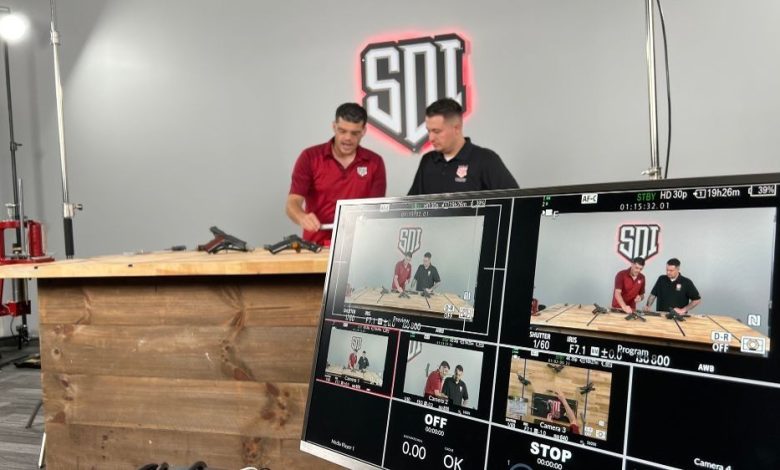
At SDI, digital modules are crafted to provide direct instruction followed by assignments that reinforce the material. For example, a video lesson on assembly techniques might last just a few minutes but then is paired with a project requiring precise hands-on application. The brevity of the lesson allows students to focus without distraction, while maintaining high performance standards.
Myth 3 – Students Forget Short Lessons Quickly
Skeptics often argue that short lessons are too easily forgotten. In practice, they are designed to be revisited. Students can pause, replay and repeat lessons until they understand the concept firmly. This flexibility ensures that lessons are not one-time events but ongoing resources.
Students frequently return to recorded lessons when completing assignments. A two-minute demonstration of a safety check can be reviewed multiple times until the steps become instinctive. By reinforcing knowledge through repetition, retention improves, rather than diminishes.
Myth 4 – Short Lessons Only Work for Beginners
Some believe that short-format content is only useful at the introductory level. Yet advanced students also benefit from focused lessons. Complex techniques can be broken down into smaller segments, allowing learners to master challenging processes step by step.
For instance, an advanced troubleshooting module may be divided into several short videos, each covering a specific stage of the process. By working through these lessons incrementally, students avoid confusion and build competence, gradually. Far from being basic, short lessons are effective at every stage of learning.
Why Short Lessons Improve Retention
The success of short-format lessons lies in how people process information. Research shows that attention naturally tapers after several minutes. By resetting focus regularly, shorter lessons align with the brain’s ability to absorb and recall information. This design supports the way technical skills are learned through small, repeated actions that build muscle memory. A brief digital lesson followed by immediate practice reinforces both cognitive understanding and physical performance.
How Programs Structure Short-Format Lessons
Modern online programs structure their lessons intentionally to ensure clarity and engagement. Concise videos demonstrate specific skills or concepts, while step-by-step instructions reinforce the visual guidance. Hands-on assignments then require students to apply what they have just learned, and recorded access allows lessons to be revisited at any time for reinforcement. This structure ensures that every lesson is both accessible and actionable. Students are not left to absorb information passively, but instead, they move quickly from watching to doing, reinforcing skills in real time.
Building Confidence Through Repetition
One of the strongest benefits of short lessons is the confidence they build. Students who can replay material until comfortable feel less pressure and more control over their learning pace. This autonomy reduces anxiety and encourages persistence. Instructors reinforce this process by reviewing project submissions and providing feedback. When students know they can practice as often as needed and receive support along the way, they gain the confidence to tackle more advanced skills.
Flexibility for Busy Learners
Long lectures may not fit into daily schedules for students balancing work, family or military service. Short lessons allow them to learn in increments, during a lunch break, after work or while children are asleep. This flexibility ensures that education is accessible, without compromising standards. Whether a student watches a five-minute video or completes a brief module, they remain on track, while managing other responsibilities. For many, this adaptability is the key that makes technical education possible.
Success Stories
Graduates frequently point to short-format lessons as one of the most helpful parts of their training. One student explained that revisiting short modules on firearm safety checks helped him build habits that carried into his job at a repair shop. Another graduate noted that she completed lessons during her work breaks, which kept her consistent in her studies and gave her confidence to finish her program, while employed full-time. These experiences highlight the real-world value of concise, repeatable content. It ensures students not only understand their lessons but retain them long enough to succeed in careers where accuracy and consistency matter.
A Smarter Approach to Learning
The belief that only long, lecture-style lessons produce results is fading. Short-format digital lessons prove that targeted, repeatable content keeps students engaged and improves retention. Institutions demonstrate that when paired with hands-on practice and instructor feedback, these lessons produce confident, capable graduates.
The future of technical training is not about overwhelming students with hours of uninterrupted material. It is about structuring learning in ways that match how people absorb, remember and apply knowledge. With short lessons that focus on what matters most, students build lasting skills.